
Leave a message




 High Quality
  Mature Technical
  Safe and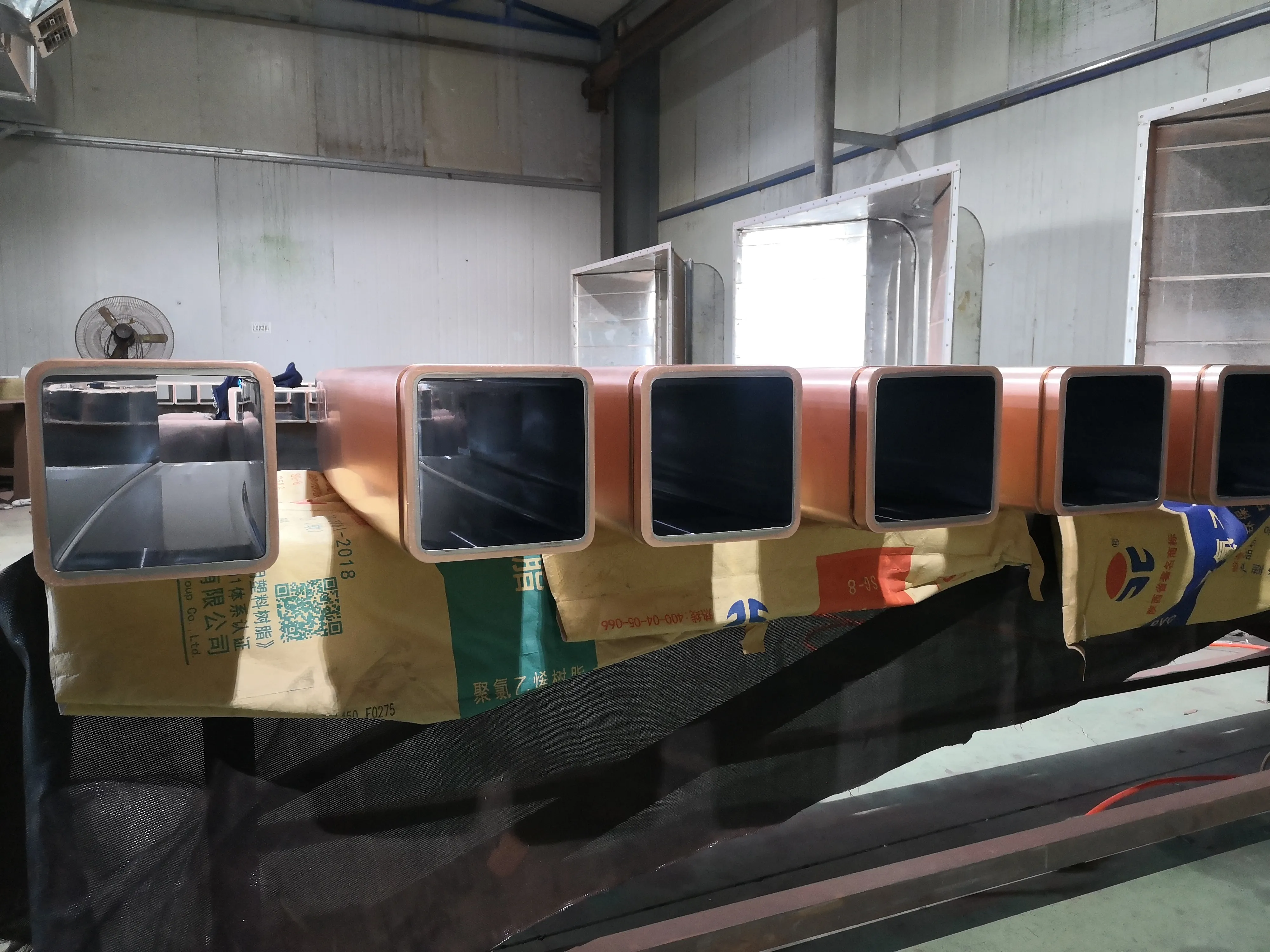
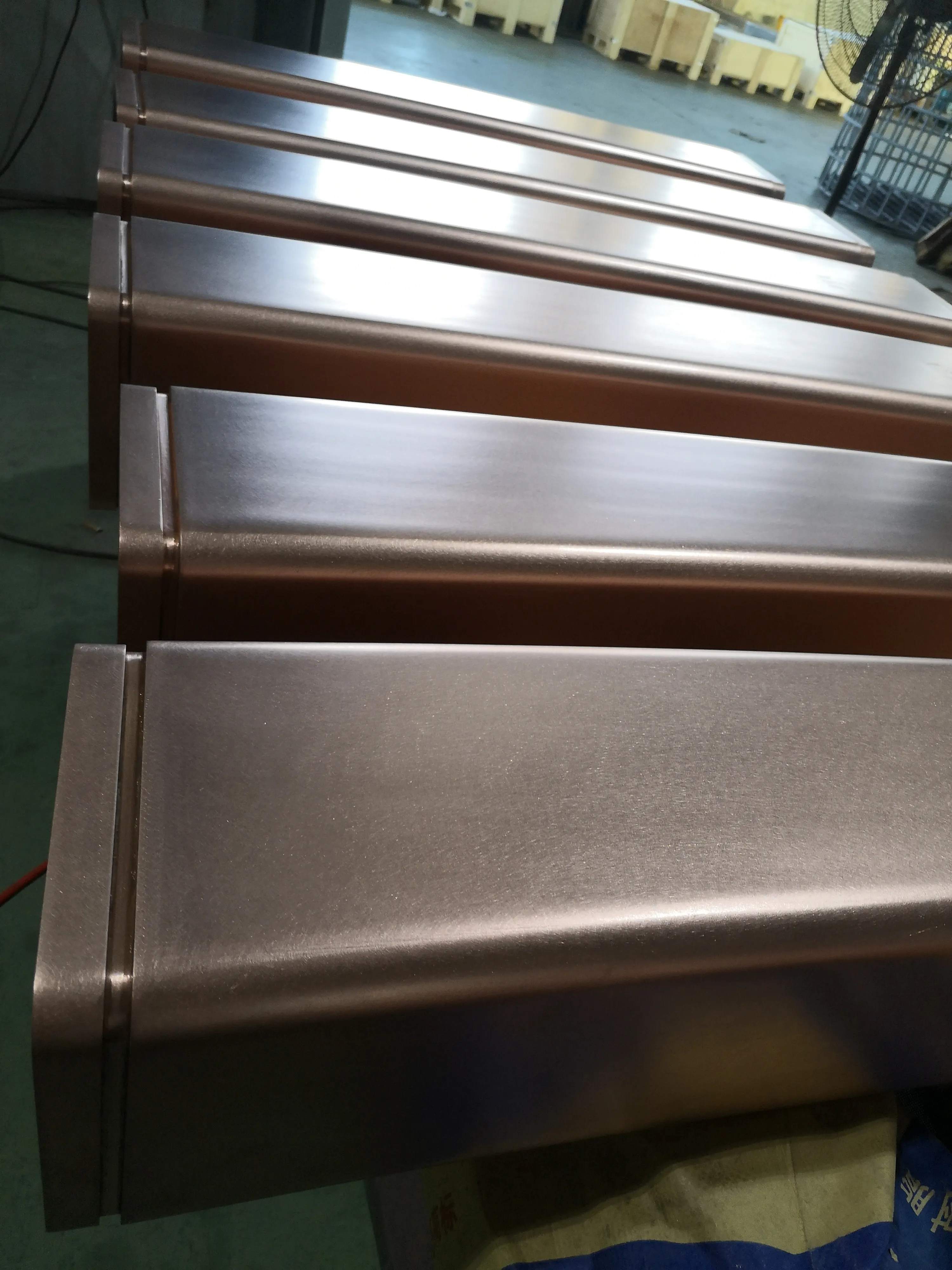
Crystallizer copper plates are used in continuous casting to form the wide faces of steel slabs or billets, facilitating rapid cooling while maintaining dimensional accuracy. Their role is crucial in industries like construction, automotive, and heavy machinery, where consistent quality and productivity in slab or billet production are required.
These copper plates come in a variety of sizes depending on caster design, typically ranging in width from 900 mm to over 2200 mm and thicknesses of 25 to 50 mm. They are made from high-conductivity copper alloys such as Cu-Cr-Zr or Cu-Ag for superior thermal performance and mechanical strength. Surface treatments like chrome plating improve wear resistance and extend service life.
Crystallizer copper plates provide excellent heat transfer, enabling faster casting speeds and reduced defects like surface cracks and segregation. Their durable alloys and optimized design extend operational life and reduce maintenance costs, making them indispensable for modern high-volume steel production. This enhances energy efficiency and product consistency in demanding casting environments.
| Attribute | Parameter | Description |
|---|---|---|
| Product Name | Crystallizer Copper Plate for Slabs | Copper plates used in slab continuous casting crystallizers to solidify molten steel slabs. |
| Application | Slab continuous casting | Forms and supports thin solidified shell in slab moulds during casting. |
| Copper Alloy Grade | Cu99.5% + Ag 0.07–0.1% | Copper-silver alloy increases recrystallization temperature and wear resistance. |
| Thickness Range | 40–60 mm | Typical thickness needed to withstand mechanical and thermal loads. |
| Length Range | 180–1120 mm | Lengths designed to fit different continuous casting machine moulds. |
| Cooling Method | Water-cooled copper plate | Cooling directly forces heat transfer for slab solidification. |
| Surface Coating | Cr plating (single layered) | Chromium plate enhances wear resistance but may peel after long use. |
| Thermal Conductivity | High (copper alloy typical values) | Ensures rapid heat extraction to maintain billet shell formation. |
| Design Features | Funnel shape, parallel plate, H²-shape layouts | Adapted to slab casting size and to optimize molten steel flow and heat transfer. |
| Typical Slab Thickness | 40–135 mm | Suitable for thin to medium slab continuous casting processes. |
| Service Life | 200–500 heats (+ use after grinding) | Effective life extended by design and coating refinements. |
| Quality Standards | Customized per CCM and customer requirements | Includes dimensional tolerances, surface finish, and alloy composition. |
| Industries | Steel mills with slab casting machines | Applied in integrated steelmaking and rolling mill feedstock production. |



Payment methods we support



 Quote Online
 Contact Us